
The terms “wood flooring” and “timber flooring” are often used interchangeably, particularly in everyday conversation. However, depending on regional usage and industry standards, there are subtle distinctions that can influence how these terms are interpreted and applied. This document explores the differences between wood flooring and timber flooring, focusing on terminology, material types, and practical considerations.
Terminology
In British English, “timber” refers to wood that is prepared for use in building and carpentry. “Wood,” on the other hand, is the generic term for the material itself, whether raw or processed. Therefore, “timber flooring” can sometimes imply flooring made from solid pieces of lumber, while “wood flooring” encompasses a broader category, including engineered products and various wood derivatives.
 Material Types
 Material Types
“Wooden flooring” generally refers to any flooring product made from wood or wood-based materials. This includes:
- Solid wood flooring: Planks made from a single piece of wood, typically hardwoods like oak or maple.
- Engineered wood flooring: Composed of layers of wood with a hardwood veneer on top, providing stability and resistance to moisture.
- Laminate flooring: Made from compressed wood fibres with a photographic layer to mimic real wood, although not technically wood flooring in the strictest sense.
“Timber flooring” most commonly refers to solid wood floors, specifically planks cut directly from logs. In some contexts, particularly in Australia and parts of the UK, “timber” is used to emphasise the use of natural, solid wood as opposed to engineered or synthetic alternatives.
Applications and Perceptions
Both wood and timber flooring are prized for their aesthetic appeal, durability, and value. Yet, the subtle distinction can influence consumer perception:
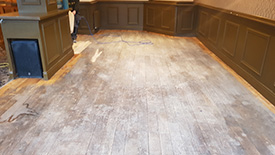
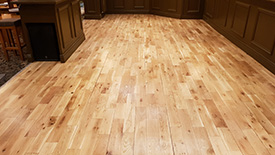
- Timber flooring is often associated with high-end, traditional interiors where authenticity and natural beauty are prioritised. It may also imply greater thickness and longevity, suitable for restoration and repeated sanding.
- Wood flooring covers a wider spectrum, including modern engineered solutions designed for easy installation, improved stability, and compatibility with underfloor heating systems.
In summary, while “wood flooring” and “timber flooring” are closely related and frequently overlap, “timber flooring” typically refers to solid wood products, whereas “wood flooring” encompasses both solid and engineered options. Understanding the nuances of these terms can help homeowners, architects, and builders make informed choices suited to their specific needs and preferences.
Whichever term you choose; we are here to help. Consider getting in touch to request a free, no obligation quotation. You can call today on 0800 852 7177.

Leave A Comment